European Pond Turtle Care Guide: Habitat, Diet, and Health Tips
Are you thinking about bringing home a European Pond Turtle? Or maybe you’ve already got one and you’re wondering how to give it the best care possible? Well, you’ve come to the right place, and I’m so glad you’re here! I’ve been keeping turtles for years now, and through my hands-on experience and countless hours…
Are you thinking about bringing home a European Pond Turtle? Or maybe you’ve already got one and you’re wondering how to give it the best care possible? Well, you’ve come to the right place, and I’m so glad you’re here!
I’ve been keeping turtles for years now, and through my hands-on experience and countless hours of research, I’ve put together this complete care guide just for you. I want to share everything I’ve learned so your little shelled friend can live its best life.
European Pond Turtles are freshwater reptiles, and trust me, they need some special attention when you’re keeping them in captivity. But don’t worry – I’m going to walk you through every single step of caring for these amazing creatures.
Let me tell you, once you understand what these turtles need, you’ll find that caring for them becomes second nature. So let’s dive right in and explore everything you need to know about European Pond Turtle care!
Understanding Your European Pond Turtle: The Basics
Before I get into the nitty-gritty details, let me give you a quick overview of what we’re dealing with here. European Pond Turtles belong to the Emydidae family, and they absolutely love freshwater environments. In the wild, they thrive in areas with plenty of greenery and natural wooden elements.
Here’s a quick reference table I’ve put together for you:
| Category | Details |
|---|---|
| Scientific Name | Emys Orbicularis |
| Common Names | European Pond Turtle, European Pond Terrapin, European Pond Tortoise |
| Minimum Size | 12cm (4.7 inches) |
| Maximum Size | 38cm (15.0 inches) |
| Lifespan | 40-60 years (yes, they’re a long-term commitment!) |
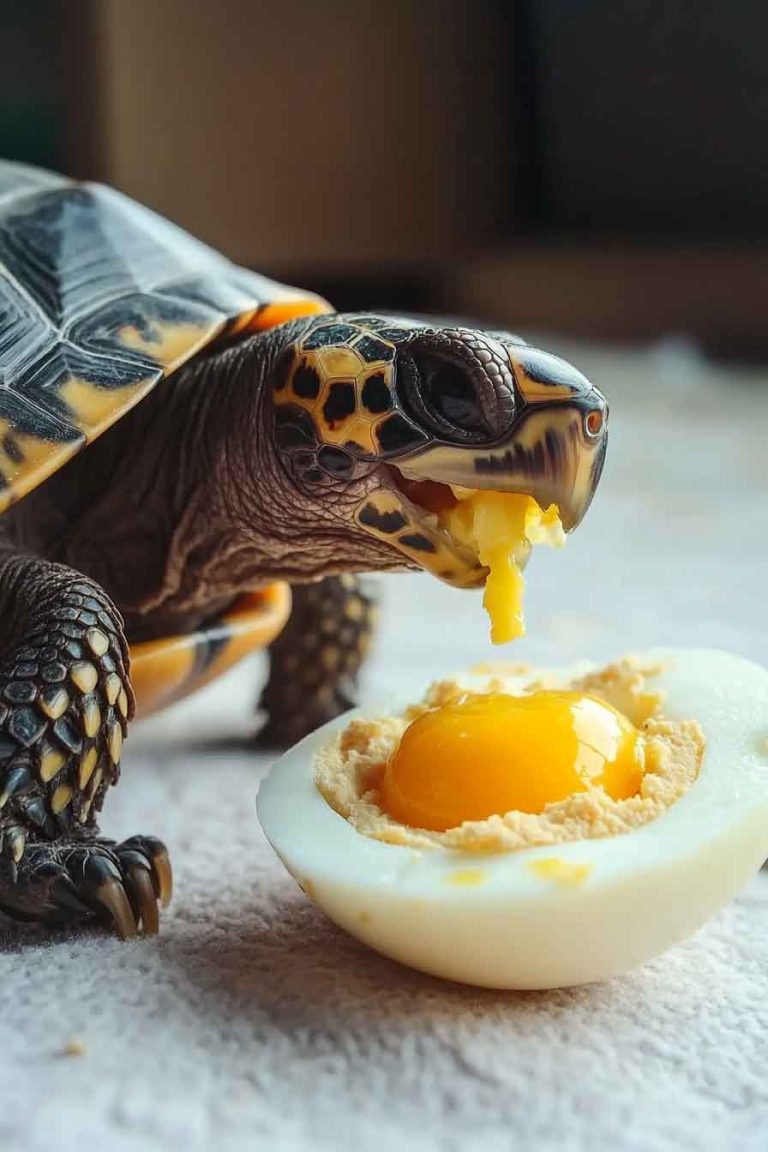
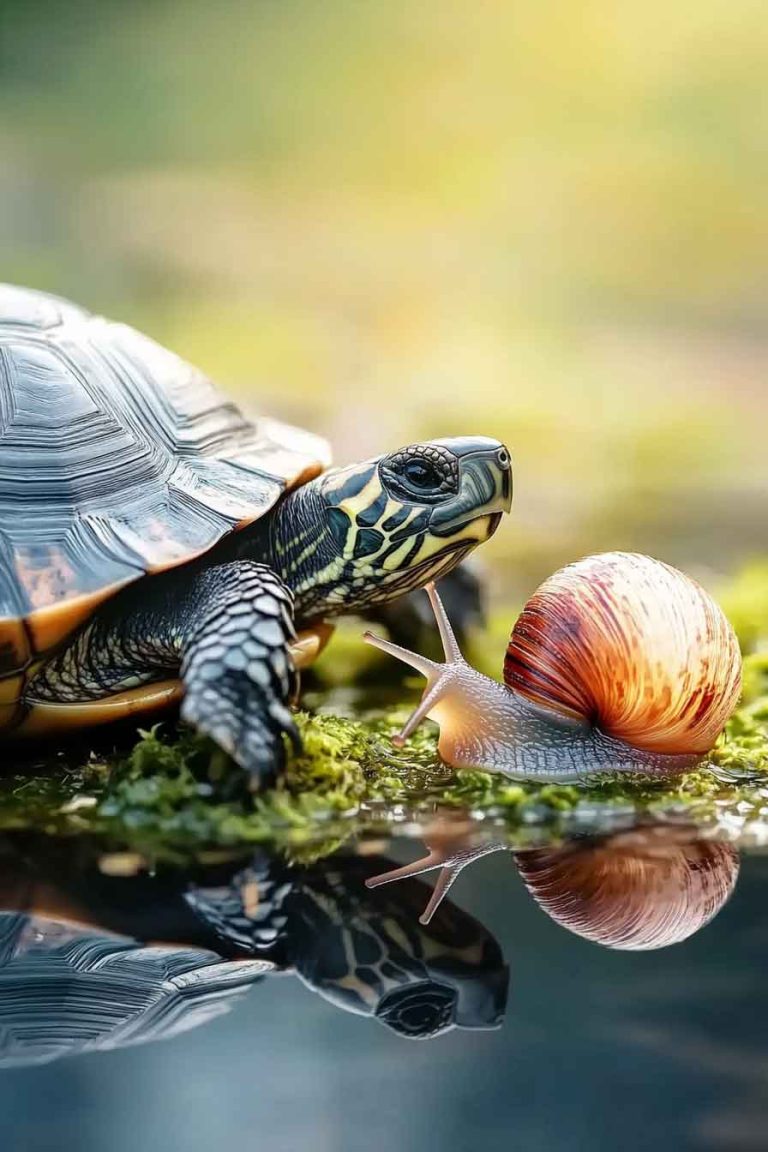
| Diet | Omnivorous – pellets, crickets, worms, snails, meat, small fish, shrimp, tadpoles, plants |
| Number of Subspecies | 14 different subspecies |
| Temperament | Generally calm and friendly, though males can get aggressive |
| Conservation Status | Was extinct in some areas early 1900s, reintroduced in 2010 |
Are European Pond Turtles Hard to Care For?
I get this question all the time, and here’s my honest answer: taking care of any pet requires dedication, and turtles are no exception. It’s not extremely difficult, but it’s not a walk in the park either.
When you bring a European Pond Turtle into your home, you’re making a commitment – possibly for the next 40 to 60 years! These creatures depend entirely on you to recreate their natural habitat as closely as possible.
Here’s what I’ve learned from my experience: turtles are naturally connected to their environment. They need fresh, clean water, proper lighting, the right temperature, and a balanced diet. If you can commit to regular maintenance and stay consistent with their care routine, you’ll find that keeping these turtles is actually quite rewarding.
The biggest challenge? Water quality. I won’t sugarcoat it – turtles are messy! But once you’ve got your filtration system set up properly and you establish a cleaning routine, it becomes much more manageable.
Setting Up the Perfect Home: Your Turtle’s Tank
Choosing the Right Tank Size
Let me tell you about one of the biggest mistakes I see new turtle owners make: getting a tank that’s too small. I understand the temptation – your baby turtle looks so tiny! But trust me, they grow fast.
Here’s what I recommend: for a single adult European Pond Turtle, you need a tank with a minimum floor space of 48 inches long by 12 inches wide by 12 inches high. And that’s just the minimum! If you can go bigger, your turtle will absolutely thank you for it.
Remember, an adult can grow up to 15 inches long. They need space to swim, explore, and exercise. A cramped turtle is an unhappy turtle, and I’ve seen health problems develop when turtles don’t have enough room.
If you have the outdoor space, I highly recommend setting up a pond-style enclosure in your yard. This gives them the most natural environment possible. But if you’re keeping them indoors like I do, make sure you invest in a quality glass aquarium or specialized turtle tank.
Water Management: Getting It Right
Water quality is absolutely critical, and this is where I spend most of my time with turtle care. Let me share what I’ve learned through trial and error.
Water Depth: Fill your tank to at least twice the length of your turtle’s shell. So if your turtle is 6 inches long, you need at least 12 inches of water depth. This gives them plenty of room to swim naturally and dive when they want to.
Filtration System: Here’s something crucial that I wish someone had told me when I started – turtle filters need to be much more powerful than fish tank filters. I’m talking about a filter that’s rated for 3 times the volume of your tank.
Why? Because turtles are incredibly messy eaters. They tear their food apart, bits float everywhere, and they produce a lot of waste. A regular fish filter just can’t keep up.
I use a canister filter for my adult turtles, and it’s been a game-changer. For babies, though, I recommend starting with a gentler flow since they’re not strong swimmers yet. You can gradually increase the flow as they grow.
Water Changes: Even with a great filter, I do partial water changes every week. I remove about 25-30% of the water and replace it with fresh, dechlorinated water. Once a month, I do a more thorough cleaning where I remove the turtles temporarily and clean the entire tank.
Water Temperature: This is super important! For juvenile European Pond Turtles, I maintain the water temperature between 25-27°C (77-81°F). For adults, they prefer it slightly cooler at 20-22°C (68-72°F). I use a reliable aquarium heater and always keep a thermometer in the tank to monitor the temperature.
Creating the Perfect Basking Area
Turtles aren’t fully aquatic – they need a dry area where they can completely get out of the water. I learned this the hard way when my first turtle developed shell problems because I didn’t provide adequate basking space.
Your basking area should be easily accessible and large enough for your turtle to completely dry off. Here’s what works best in my experience:
- Commercial turtle docks: These are specifically designed to attach to the tank and provide a stable platform
- Large flat rocks: Natural and sturdy, but make sure they’re smooth and won’t tip over
- Floating logs or cork bark: These look natural and work great
The basking spot should be positioned so that your turtle can climb up easily. I’ve found that a gentle slope works better than a steep incline, especially for younger turtles or those with less strength.
Make sure the basking area is stable! I once had a rock shift when my turtle climbed on it, and it scared both of us. Now I secure everything properly before adding water.
Lighting: The Key to Healthy Turtles
This is one area where you absolutely cannot cut corners. Proper lighting is essential for your turtle’s health, and I’m going to explain exactly what you need.
UVB Lighting: European Pond Turtles need UVB rays to synthesize Vitamin D3, which helps them absorb calcium. Without it, they’ll develop metabolic bone disease, and trust me, you don’t want that to happen to your turtle.
I use either:
- T8 fluorescent tubes with 5-10% UVB output, or
- Compact fluorescent bulbs with the same UVB rating
The UVB bulb should be positioned about 10-12 inches above the basking area. Remember, glass and plastic block UVB rays, so don’t put anything between the bulb and your turtle.
Here’s something important: UVB bulbs lose their effectiveness over time even if they still produce visible light. I replace mine every 6-12 months to ensure my turtles are getting adequate UVB exposure.
Heat Lamp: In addition to UVB, your turtle needs a heat lamp over the basking area. The basking spot should reach about 30-32°C (86-90°F). I use a separate heat bulb for this, positioned to create a warm spot without overheating the entire tank.
Lighting Schedule: I keep my lights on for 10-12 hours a day to simulate natural day/night cycles. I actually use a timer so I don’t have to remember to turn them on and off every day.
Feeding Your European Pond Turtle: Getting the Diet Right
Let me tell you, diet is where a lot of new owners struggle. I’ve learned so much about turtle nutrition over the years, and I want to share it all with you.
Understanding Their Nutritional Needs
European Pond Turtles are omnivores, meaning they eat both meat and plants. But here’s the thing – their dietary needs change as they age.
For Juveniles (Under 2 Years): Young turtles need a diet that’s about 70-80% protein. They’re growing rapidly and need that extra protein to develop properly. I feed my baby turtles once a day with protein-rich foods.
For Adults: Once they mature, I shift the balance to about 50% protein and 50% plant matter. Adults don’t need as much protein, and too much can actually lead to health problems.
Protein Sources I Use and Recommend
Here’s my go-to list of protein foods:
- Commercial turtle pellets: These should form the base of the diet. I use high-quality brands specifically formulated for aquatic turtles.
- Live crickets: My turtles go crazy for these! They provide great nutrition and mental stimulation.
- Earthworms: Incredibly nutritious and most turtles love them.
- Mealworms: Good as an occasional treat, but not as a staple (they’re high in fat).
- Small feeder fish: Like guppies or minnows. I offer these once or twice a week.
- Freshwater shrimp: A favorite treat in my house!
- Snails: Great source of calcium with the shell.
- Cooked chicken or turkey: Unseasoned and in small amounts, once a week.

Plant Matter and Vegetables
As your turtle gets older, vegetables become more important. Here’s what I regularly feed:
Great Options:
- Red leaf lettuce
- Green leaf lettuce
- Dandelion greens
- Collard greens
- Turnip greens
- Water lettuce
- Duckweed (I grow this in the tank)
- Small pieces of squash or sweet potato
Foods to Avoid:
- Spinach (binds calcium)
- Iceberg lettuce (no nutritional value)
- Avocado (toxic to turtles)
- Raw meat (can cause parasites)
- Processed human foods
Calcium Supplementation
This is crucial! I provide cuttlebone in the tank at all times. My turtles nibble on it when they need extra calcium. You can also dust food with calcium powder 2-3 times a week.
My Feeding Schedule
Here’s the routine I follow:
- Babies: Feed once daily, as much as they can eat in 15-20 minutes
- Juveniles: Feed once daily or every other day
- Adults: Feed every 2-3 days
I always feed my turtles in the water. Some people use a separate feeding container to keep the main tank cleaner, and that’s a great strategy if you have time for it.
Can You Actually Keep European Pond Turtles as Pets?
Absolutely yes! Now that you know all the requirements, you can see that while they need proper care, they make wonderful pets. I’ve had my European Pond Turtles for years, and they’ve brought me so much joy.
Should You Get One or Two?
Here’s my honest opinion: I always recommend getting at least a pair if you can manage it. Why? Because turtles do have social needs, and while they’re not as social as mammals, they do appreciate having company from their own species.
Think about it – when you’re at work or busy with life, your turtle would be alone for hours. Having a companion helps prevent boredom and provides natural stimulation. Just make sure you:
- Get two females (to avoid breeding and aggression)
- Or get a male and female if you’re prepared for potential eggs
- Increase your tank size accordingly (I’d recommend at least 75 gallons for two adults)
Long-Term Commitment
Before you get a European Pond Turtle, let me be real with you: these turtles can live 40-60 years. That’s potentially a lifetime commitment! I got my first turtle in my twenties, and I’ll likely have her into my seventies.
Make sure you’re ready for:
- Daily maintenance and feeding
- Weekly water changes
- Veterinary care (find a reptile vet BEFORE you need one)
- Potential housing changes if you move
- The financial commitment (food, electricity, supplies, vet bills)
Additional Tank Enhancements: Making It Perfect
Once you’ve got all the basics covered, here are some extras that I’ve found really enhance my turtles’ quality of life.
Substrate: Yes or No?
This is controversial, but here’s my take: for European Pond Turtles, substrate is optional. I actually don’t use any substrate in my turtle tanks, and here’s why:
- It’s much easier to keep clean
- No risk of impaction if they swallow it
- Better water quality
However, if you want to add substrate for aesthetic reasons or because your turtles enjoy digging, use:
- Fine sand (like play sand)
- Large, smooth river rocks (too big to swallow)
Never use:
- Gravel (choking hazard)
- Colored aquarium gravel
- Sharp-edged rocks
Decorations and Enrichment
Turtles appreciate having things to explore and hide around. Here’s what I include:
Live or Artificial Plants: I use sturdy artificial plants designed for aquariums. If you want live plants, choose hardy species like:
- Anubias
- Java fern
- Water sprite
Make sure any plants you use are non-toxic and sturdy enough that your turtle won’t destroy them immediately.
Hiding Spots: I’ve added some PVC pipes and ceramic caves. My turtles love having places to retreat when they want privacy.
Enrichment Items: I occasionally add floating toys or rearrange decorations to keep things interesting. Mental stimulation is important!
Background and Aesthetics
While this doesn’t affect your turtle’s health, I’ve found that adding a background to the back of the tank helps reduce stress. Turtles can see their reflection in glass and sometimes get stressed by it. A simple aquarium background solves this problem.
Pro Tips From My Years of Experience
Let me share some wisdom I’ve gained over the years that can save you time, money, and stress:
Tank Setup Tips
- Choose UV-resistant materials: When selecting a tank, especially if it’s in a sunny location, make sure the material won’t degrade from UV exposure.
- Get a tank with a sloped bottom: This makes it so much easier for turtles to access their basking area. If your tank doesn’t have this, you can create a slope with rocks or ramps.
- Invest in a good stand: Turtle tanks are HEAVY when filled. Make sure your stand can support the weight – calculate water + tank + substrate + decorations.
- Plan for splashing: Turtles splash water everywhere! I learned to place my tank away from walls or use a splash guard to protect my floors and walls.
Maintenance Tips
- Keep a maintenance log: I track water changes, filter cleanings, and bulb replacements. This helps me stay on schedule.
- Have backup equipment: I always keep an extra heater and extra bulbs on hand. The last thing you want is equipment failure on a Sunday night with no stores open.
- Use a gravel vacuum: This makes water changes so much easier and helps remove waste from the bottom of the tank.
- Quarantine new arrivals: If you’re adding a new turtle to an existing tank, quarantine the new turtle for at least 30 days to prevent disease transmission.
Health Monitoring
- Check your turtle daily: I do a quick visual check every day. Look for:
- Clear eyes (not swollen or cloudy)
- Active swimming
- Good appetite
- Healthy shell (no soft spots or discoloration)
- Weigh your turtle monthly: I keep track of weight to ensure proper growth and catch any health issues early.
- Watch for signs of illness: Red flags include:
- Refusing food for more than a few days
- Lethargy
- Gasping or open-mouth breathing
- Floating lopsided
- Shell pyramiding or soft shell
Seasonal Considerations
European Pond Turtles in the wild experience seasonal changes. While you don’t need to hibernate captive turtles, some keepers do. I don’t hibernate mine, but I do slightly reduce the temperature in winter (by a few degrees) to mimic natural cycles.
Handling Your Turtle
I’ll be honest – European Pond Turtles aren’t really “hands-on” pets. They tolerate handling but don’t crave it like a dog would. Here’s my approach:
- Handle only when necessary (health checks, tank cleaning)
- Always support their body fully
- Wash your hands before and after
- Never put them near your face (salmonella risk)
- Keep handling sessions brief
Building Trust
Even though they’re not cuddly, you can build a bond with your turtle. Mine recognize me and come to the front of the tank at feeding time. It takes patience, but it’s so rewarding when they start to trust you.
Common Mistakes to Avoid
Let me save you from the mistakes I made when I was starting out:
- Underestimating tank size: I started with a 20-gallon tank and had to upgrade within six months. Start with the right size from the beginning.
- Neglecting water quality: I got lazy with water changes once, and my turtle developed a respiratory infection. Never skip maintenance!
- Using inadequate filtration: My first filter was meant for fish, and it couldn’t handle the waste load. Get a proper turtle filter from the start.
- Not providing UVB: This is non-negotiable. No amount of dietary supplements can replace proper UVB lighting.
- Overfeeding: It’s tempting to feed every time they beg, but overfeeding leads to obesity and health problems.
- Mixing incompatible species: Don’t house European Pond Turtles with other turtle species or fish. Stick with their own kind.
- Ignoring temperature requirements: Both water and basking temperatures matter. Don’t just guess – use thermometers!
The Costs: Being Financially Prepared
Let me break down the costs so you know what you’re getting into:
Initial Setup (approximate):
- Tank (40-75 gallons): $100-300
- Filter system: $50-150
- UVB bulb and fixture: $30-60
- Heat lamp and bulb: $20-40
- Decorations and basking area: $30-60
- Substrate (if using): $20-40
- Thermometers: $10-20
- Initial food supply: $20-30
Total Initial Investment: $280-700
Monthly Costs:
- Food: $20-40
- Electricity: $10-30
- Water treatments: $5-10
Annual Costs:
- Replacement bulbs: $40-80
- Filter media: $30-60
- Veterinary checkup: $50-100+
- Unexpected expenses: Budget at least $200
Finding a Reptile Veterinarian
This is something I wish I’d done before getting my turtle: find a qualified reptile vet in your area. Not all vets treat reptiles, and you don’t want to be scrambling to find one in an emergency.
Make a list of reptile vets within driving distance, and consider taking your turtle for a wellness check shortly after acquiring it. This establishes a relationship with the vet and ensures your turtle is healthy from the start.
Legal Considerations
Before you get a European Pond Turtle, check your local laws. Some areas have restrictions on keeping certain turtle species. In some European countries, these turtles are protected, and you may need permits to keep them.
Always acquire your turtle from reputable sources – never take one from the wild. Not only is it often illegal, but wild-caught turtles have a harder time adapting to captivity and may carry diseases.
Final Thoughts From Me to You
I’ve shared everything I know about caring for European Pond Turtles, from my years of hands-on experience and continuous learning. These remarkable creatures have enriched my life in ways I never expected when I got my first turtle.
Yes, they require commitment. Yes, they need proper care and attention. But if you’re willing to put in the effort, you’ll have a fascinating companion for decades to come.
Remember, every turtle is an individual with its own personality. What works perfectly for my turtles might need slight adjustments for yours. Pay attention, observe your turtle’s behavior, and don’t be afraid to make changes to optimize their care.
Start with the fundamentals I’ve outlined here: proper tank size, excellent water quality, correct lighting and temperature, and a balanced diet. Get these right, and you’re already 90% of the way to being an excellent turtle keeper.
I’d love to hear about your journey! Drop a comment below and let me know:
- Are you planning to get your first European Pond Turtle?
- What questions do you still have?
- If you already have one, what’s been your biggest challenge?
- What topics would you like me to cover in future articles?
Your success as a turtle parent is important to me, so never hesitate to reach out with questions. We’re all learning together, and the turtle keeping community is wonderfully supportive.
Here’s to happy, healthy turtles and the joy they bring to our lives! May your turtle keeping journey be filled with the same wonder and satisfaction that mine has been.
Happy turtle keeping, my friend!